IN Brief:
- Eurajoki adds 101MWp of operational solar capacity and is expected to generate around 100GWh of electricity annually.
- The two-site asset connects through Caruna’s network via a shared substation and is supported by a long-term virtual PPA with Autoliv.
- Alight has more than 1GW of solar and storage projects in its Finnish pipeline as the country’s utility-scale market expands.
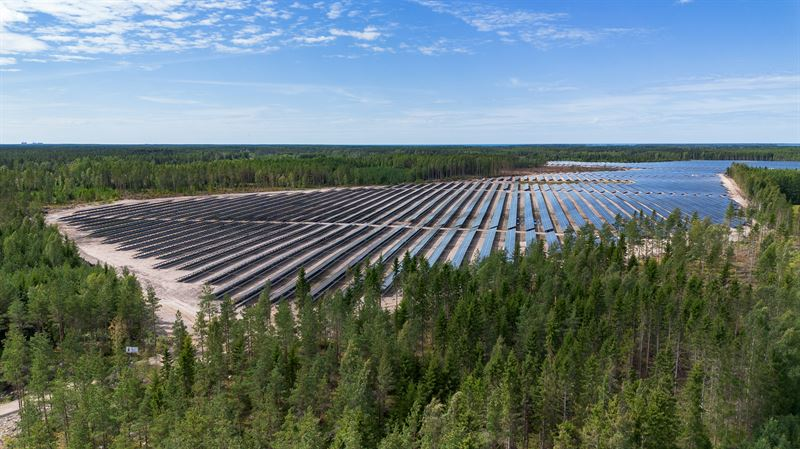
Alight has brought its 101MWp Eurajoki solar park into operation in western Finland, completing the developer’s first commissioned project in the country as utility-scale photovoltaic capacity expands from a comparatively small installed base.
The project is located in the municipality of Eurajoki in the Satakunta region and is built, owned, and operated by Alight. It is expected to generate around 100GWh of renewable electricity each year, with the output commercially supported by a long-term virtual power purchase agreement with automotive safety manufacturer Autoliv.
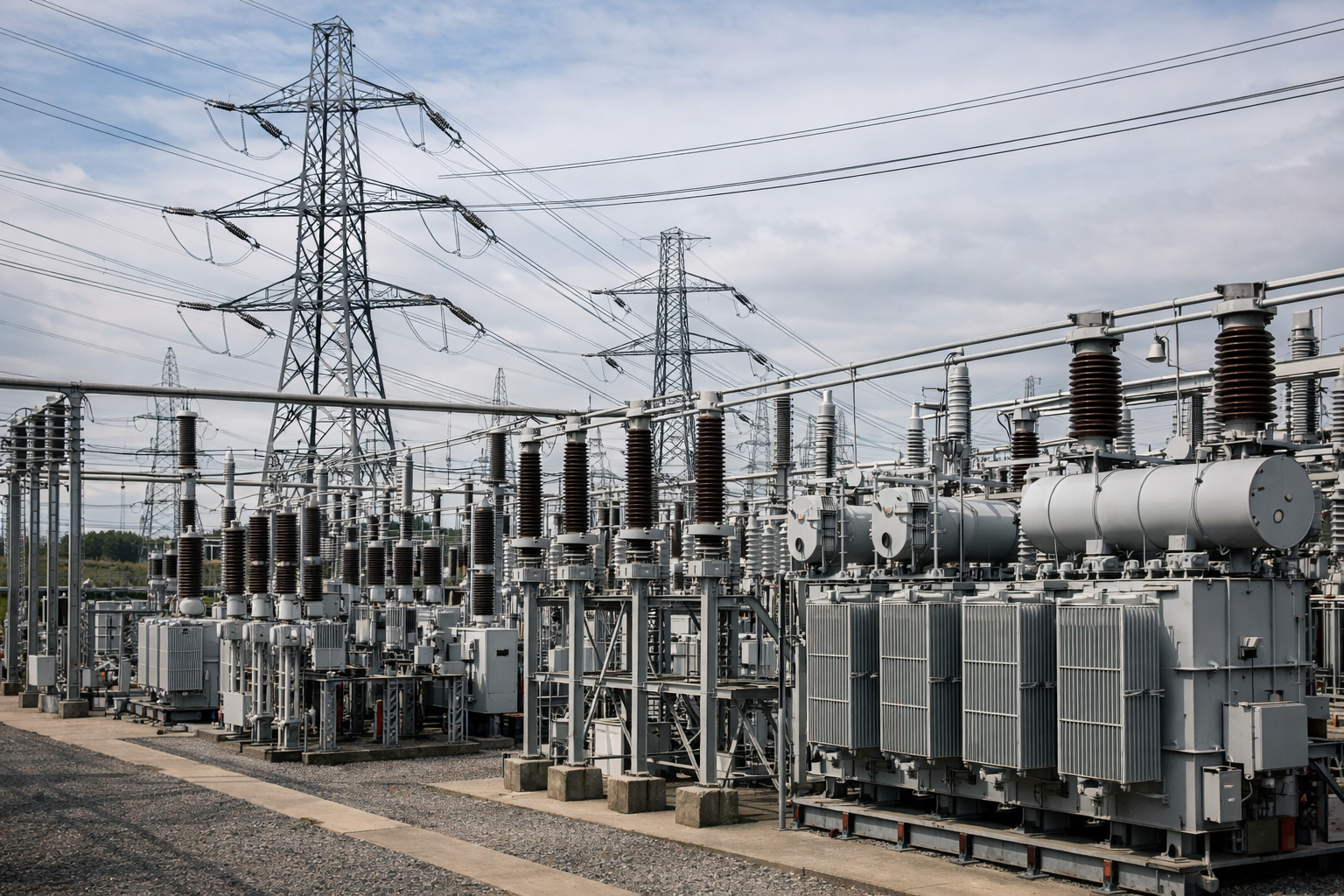
Eurajoki comprises two distinct solar sites brought together as a single energy asset. Both feed through a shared substation into Caruna’s network, allowing the development to use common grid infrastructure while tailoring environmental measures to the individual locations.
One site includes habitat restoration and improvements to wetland edges, while a new pond has been created at the other. Those works sit alongside the electrical systems required to collect photovoltaic output, convert it through the inverter fleet, transform it to the connection voltage, protect the generating plant, and export energy through the common point of connection.
The project was financed with €46 million of senior debt from ABN AMRO and SEB. Reaching operation therefore required several separate project risks to converge: land and environmental development, grid connection, equipment procurement, civil and electrical construction, financing, commissioning, and a long-term commercial route for the electricity produced.
Autoliv’s virtual PPA supplies part of that revenue structure. Unlike a physical arrangement under which electricity is delivered directly to a particular facility, a virtual PPA generally provides a financial settlement linked to generation and market prices. The structure allows a corporate buyer with operations spread across different sites to support renewable generation without replacing every underlying retail electricity contract.
Autoliv is using the agreement within its programme to increase renewable electricity consumption across its EMEA operations and support its ambition of carbon-neutral own operations by 2030. For Alight, the long-duration agreement gives the generating asset greater revenue visibility through changing wholesale-market conditions.
Eurajoki is large relative to Finland’s existing utility-scale solar fleet. Alight said national capacity stood at 842MWp across 45 parks at the end of June 2026, based on Renewables Finland figures, meaning Eurajoki alone adds capacity equivalent to about 12% of that earlier operating total.
The comparison will date quickly as further projects enter service, but it illustrates the pace at which Finnish solar is changing. The country’s power system has traditionally relied more heavily on nuclear, hydropower, thermal generation, and, increasingly, wind, with large ground-mounted photovoltaic projects developing later than in many continental European markets.
Solar generation also has a distinctive operating profile at Finnish latitudes. Long summer daylight hours concentrate a large share of annual production into the warmer months, while winter output falls sharply. As capacity rises, the value of new plants will increasingly depend on how solar output interacts with wind, hydro, nuclear generation, cross-border trading, electricity demand, and storage.
The shared substation at Eurajoki is equally relevant to future expansion. Renewable projects can secure land, financing, and generating equipment yet remain unable to operate if network studies, protection requirements, construction works, and energisation dates do not align. Grid access has become one of the more persistent constraints on renewable delivery across European markets.
Alight’s Finnish pipeline already exceeds 1GW across solar and storage, putting Eurajoki at the front of a much larger prospective portfolio. Converting that pipeline into generating assets will require repeated access to grid capacity, finance, suitable sites, equipment, contractors, and credible routes to market rather than simply replicating the photovoltaic hardware.
Storage is likely to become more relevant as that portfolio develops. Batteries can shift electricity from periods of strong solar production into later demand windows, respond to network constraints, and give operators more options when wholesale prices fall during periods of simultaneous renewable output. Their economic role will depend on duration, connection rights, trading strategy, and the flexibility already available elsewhere in the Finnish system.
Eurajoki provides Alight with an operating reference for that next phase. A 101MWp project backed by corporate offtake, commercial debt, and shared connection infrastructure is a more substantial test of project execution than a development pipeline measured only in prospective megawatts.
The next measure will be whether projects behind it can reach operation at a similar pace. Finland now has another large solar asset on the system; maintaining the build-out will depend on whether network capacity, financing, and market arrangements can expand alongside the panels themselves.