
IN Brief:
- The acquired network includes 199 public charging stations and 798 individual charging points.
- More than 55,000 existing users will transfer to Plugit’s wider charging platform.
- Consolidation will combine physical assets, software, customer accounts, maintenance, and future expansion planning.
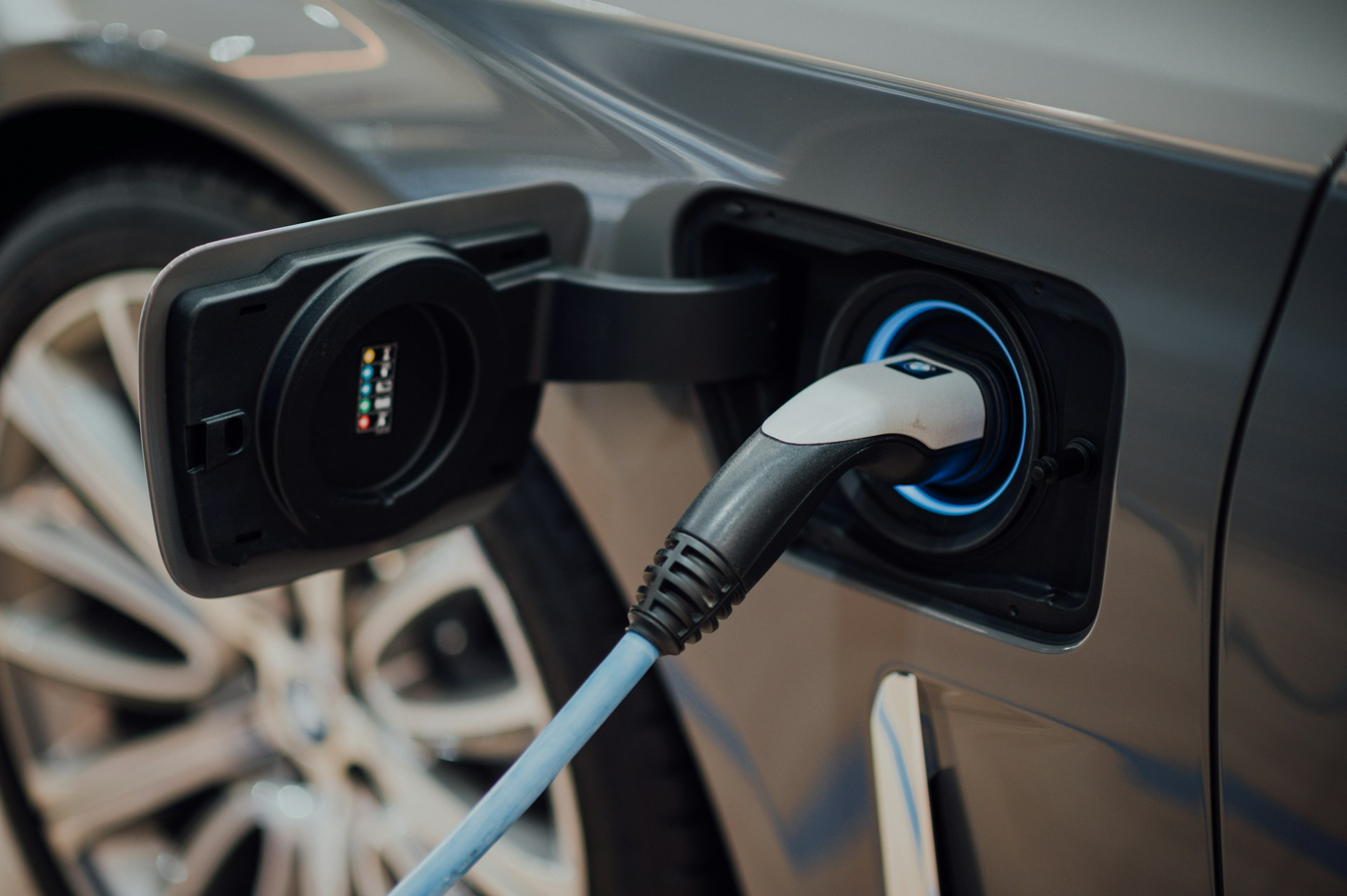
Plugit has agreed to acquire Helen’s public electric-vehicle charging business, adding 199 stations and 798 charging points to its Finnish network.
Following completion, Plugit will become the largest public charging operator in the Helsinki metropolitan area by installed point count. More than 55,000 users of Helen’s service will transfer to Plugit and gain access to its wider network through a single application.
The acquired assets are concentrated in Uusimaa, where almost half of Finland’s battery-electric cars are registered. More than 55% of the country’s electric company-car fleet is also based in the Helsinki metropolitan area, creating a dense combination of residential, workplace, retail, fleet, and public charging demand.
Plugit already operates more than 6,000 charging points across Finland and Sweden, while its application has over 185,000 registered users. Its activities extend across public charging, residential developments, workplaces, commercial fleets, and transport operations.
Helen will retain its electricity supply and wider energy businesses, while the charging assets move into an organisation focused on installation, software, operation, and maintenance. Separating the network from the utility’s broader retail activities places its future investment within a dedicated charging portfolio.
Integrating 798 charging points will involve customer accounts, tariffs, payment systems, roaming arrangements, maintenance contracts, remote monitoring, fault histories, charger records, and agreements with individual site owners. Service continuity will depend on transferring those elements without disrupting access or billing.
Scale shifts attention towards network performance
A larger installed base can provide operational efficiencies where separate charger fleets have previously been managed through different software and maintenance arrangements. Consolidated data gives operators a clearer view of utilisation, recurring faults, component performance, and the periods when individual sites approach their available electrical capacity.
Much depends on the compatibility of the acquired equipment. Public networks frequently contain several generations of chargers from different manufacturers, using different communications protocols, payment terminals, and backend integrations. Older units may need firmware changes, new gateways, replacement terminals, or complete substitution before they can operate consistently within a common platform.
Increasing a site’s charging power requires a wider electrical assessment than replacing the dispenser. Distribution capacity, cable routes, switchgear ratings, earthing, protection settings, metering, and the maximum import capacity of the premises must all be examined before higher-powered equipment is installed.
Where several chargers share a constrained connection, dynamic load management can allocate available capacity between vehicles, buildings, batteries, and other electrical loads. As hubs grow, the control platform becomes part of the electrical installation, with availability and communications performance affecting the amount of power that can be delivered.
Heavy goods vehicles and commercial fleets introduce further requirements, and Plugit is already developing infrastructure for those markets. Depot charging combines high coincident demand with fixed departure schedules, larger batteries, and significant commercial penalties when vehicles are not ready for service.
Similar consolidation is taking place elsewhere in Europe, including the transfer of an Iberian charging network onto a single operating platform. Common monitoring, billing, and asset-management systems can reduce duplicated administration, although the physical condition and interoperability of each charger remain decisive.
Network reliability becomes more visible as portfolios expand. A small number of unavailable units can affect a significant volume of charging sessions when failures cluster at busy locations, increasing the importance of remote diagnostics, spare-parts availability, field-service coverage, and enforceable maintenance response times.
Public charging also forms a growing part of distribution-network planning. Clusters of rapid chargers can create concentrated urban demand, while managed charging can reduce simultaneous peaks. Better exchange of utilisation and load data between operators and distribution companies can improve forecasting and identify sites where reinforcement will be unavoidable.
The initial integration will centre on transferring Helen’s customers and equipment without loss of service. Longer-term performance will be reflected in charger availability, successful backend migration, fault response, and the rate at which the combined network can add capacity in areas where electric-vehicle and commercial-fleet demand is rising fastest.

