IN Brief:
- Ellis has published a new Environmental Product Declaration for its polymer cable cleat range.
- The company has reported a 57% reduction in Scope 1 and 2 emissions since its 2017/18 baseline.
- The new EPD follows a stainless steel cable cleat EPD, expanding verified lifecycle data across the company’s main cleat ranges.
Ellis has published a new Environmental Product Declaration for its polymer cable cleat range and released its latest carbon footprint report.
The document provides independently verified lifecycle environmental data for the company’s polymer cable cleats. It gives consultants, contractors, EPCs, and asset owners product-level data for environmental assessment during specification and procurement.
The polymer EPD follows an earlier Environmental Product Declaration for Ellis’s stainless steel cable cleat range, giving the company verified data across both of its main cleat lines. The new document has been produced in accordance with EN 15804+A2, ISO 14025, and ISO 21930.
The assessment covers environmental impacts from raw material extraction and manufacturing through to end-of-life disposal and recycling. Alongside the EPD, Ellis has reported a 57% reduction in Scope 1 and 2 emissions against its 2017/18 baseline year.
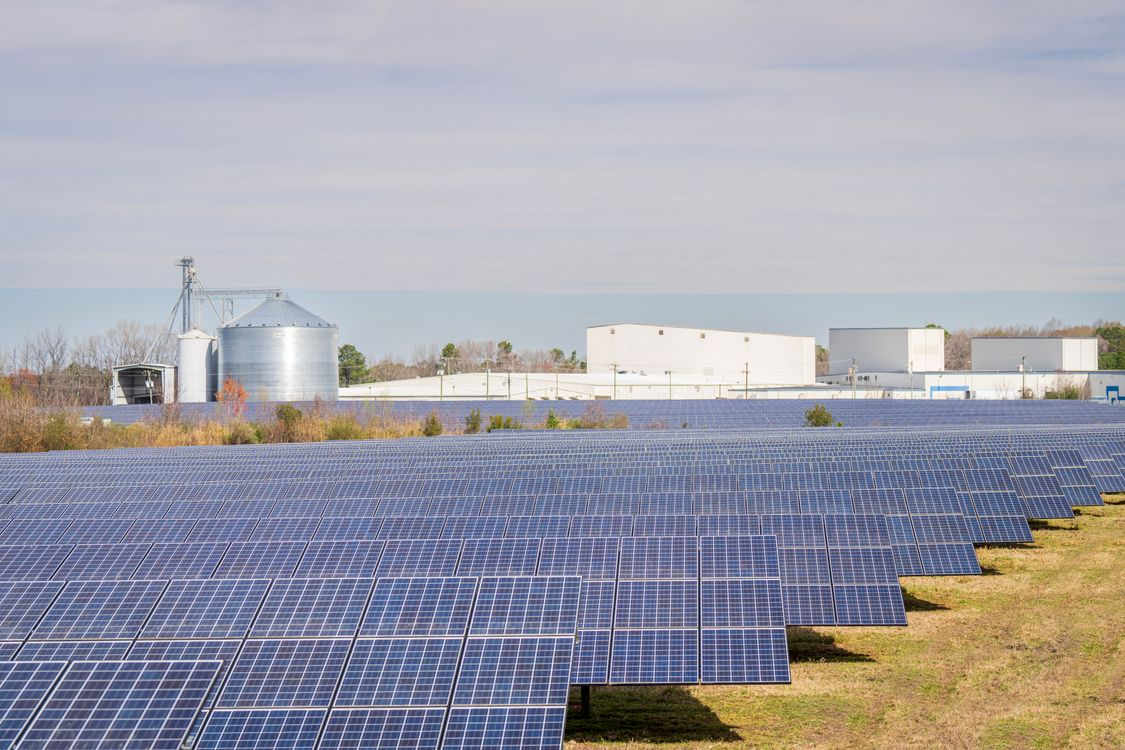
The emissions reduction has been achieved through investment in renewable energy, electrification, and operational improvements. Solar power now supplies more than half of the company’s operational energy requirements.
Cable cleats are safety-critical components in electrical installations. They restrain cables during normal operation and during short-circuit events, where electromechanical forces can be severe. Their performance is especially important in high-current installations, substations, renewable energy projects, generation facilities, rail, marine, data centres, and industrial power systems.
Environmental data does not replace short-circuit performance, mechanical strength, fire behaviour, corrosion resistance, standards compliance, or correct installation. It adds another layer of evidence to the specification process, particularly where projects are required to account for embodied carbon, lifecycle impact, or verified product documentation.
Electrical infrastructure is expanding rapidly as power systems absorb more renewable generation, storage, EV charging, data-centre load, and industrial electrification. That build-out uses large volumes of components, including cable management systems, containment, switchgear, transformers, protection equipment, power conversion systems, and auxiliary infrastructure. Product-level environmental data is becoming part of the documentation expected around that investment.
High-voltage projects show how extensive that component base can be. A 2GW HVDC route between Scotland and Wales and the Elmed converter-station programme both depend on complex assemblies of cables, converters, substations, civil works, and electrical protection. The environmental profile of those systems is built from thousands of product and material decisions.
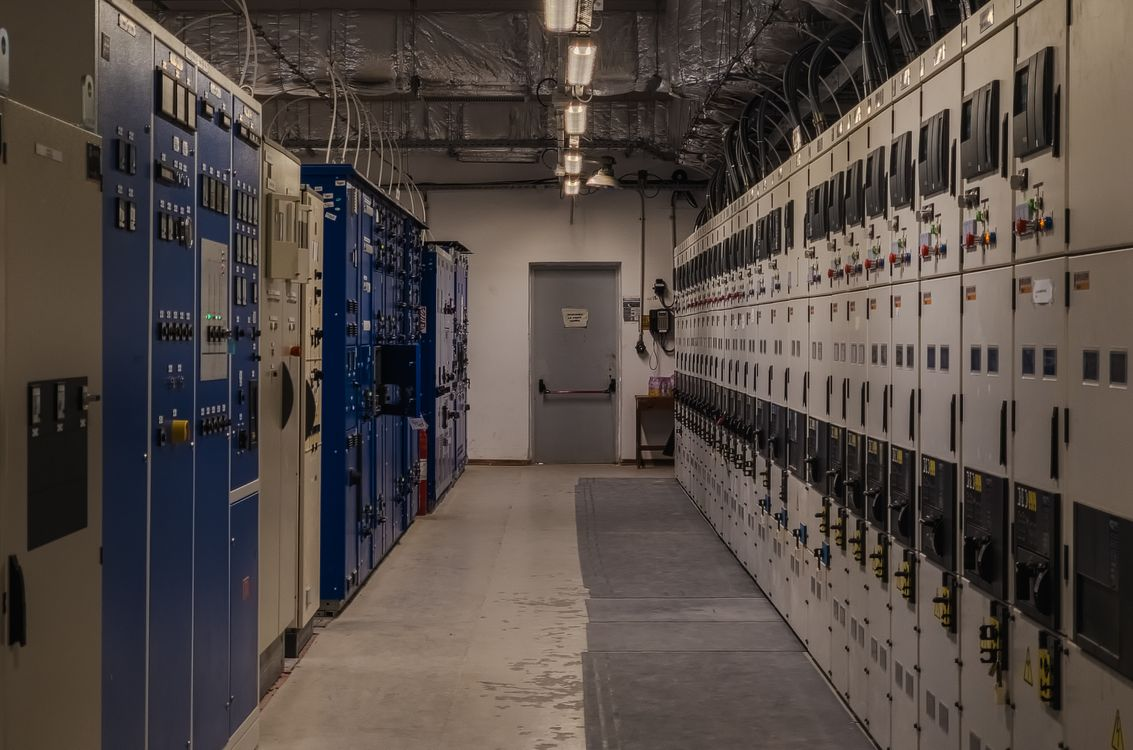
Data-centre power infrastructure creates a similar specification pressure at site level. Work on voltage instability around data centres has highlighted the technical demands created by concentrated electrical loads. Those facilities also require extensive cable support, containment, standby power, switchgear, UPS systems, transformers, and monitoring infrastructure, all subject to performance, resilience, and documentation requirements.
EPDs are becoming useful because they provide a structured basis for comparison. Broad environmental statements are difficult to assess across suppliers. A declaration produced to recognised standards gives specifiers data that can be used in whole-life carbon assessments, sustainability scoring, project submissions, and procurement frameworks.
Scope 1 and 2 emissions reductions also influence supply-chain assessment. Scope 1 covers direct emissions from company operations, while Scope 2 covers emissions from purchased energy. For asset owners and main contractors with supply-chain carbon targets, supplier operational performance can form part of wider procurement evaluation.
The availability of both polymer and stainless steel cleat EPDs is useful because material selection depends on project conditions. Polymer and metallic cleats are used according to cable formation, mechanical load, short-circuit duty, installation environment, corrosion exposure, fire requirements, and applicable standards. Verified environmental data allows those technical choices to be assessed with clearer lifecycle information.
The specification process across electrical infrastructure is becoming more evidence-led. Products still need to meet the relevant safety and performance standards first, but environmental declarations are moving from optional supporting documents toward practical procurement evidence. Ellis’s polymer EPD adds another example of component manufacturers being drawn into the same transparency requirements already shaping larger equipment and infrastructure supply chains.