IN Brief:
- Wallbox has launched Pulsar Pro across the European Union, with UK and North American availability expected in 2027.
- The AC charger integrates MID-certified energy metering to support charging reimbursement without additional external metering hardware.
- The product reflects rising demand for managed charging across homes, workplaces, fleets, depots, and shared residential buildings.
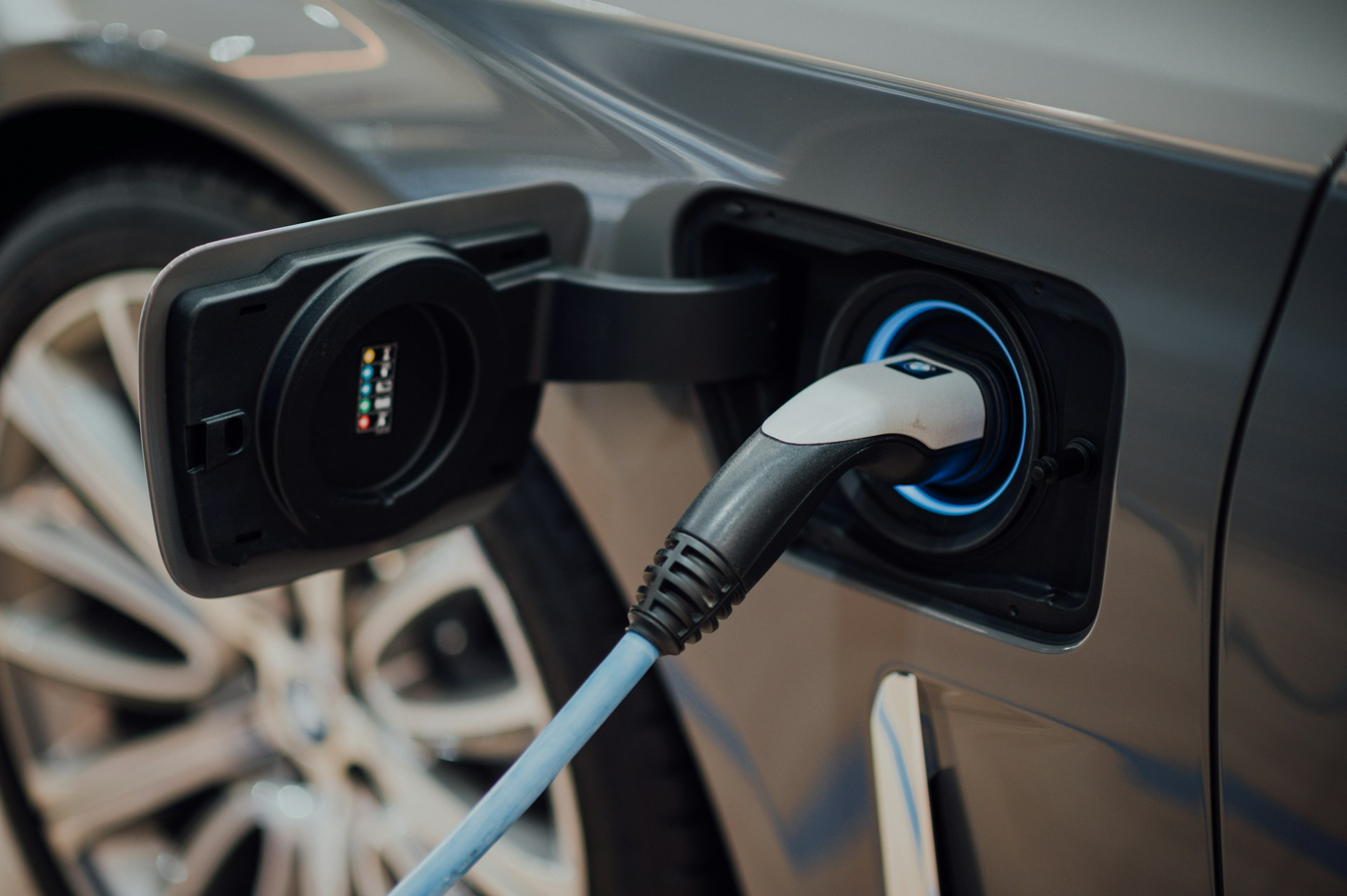
Wallbox has launched Pulsar Pro across the European Union, adding built-in MID-certified energy metering to its AC charging portfolio.
Designed for homes, shared residential environments, workplaces, and company-car charging, the charger integrates certified energy metering directly into the unit. That allows charging sessions to be tracked for reimbursement without separate external metering hardware. UK and North American availability is expected in 2027.
The product supports reimbursement reports through the Wallbox App. Drivers can configure electricity tariffs, register RFID cards, generate reports, and send charging data to employers, fleet managers, or operators. Through the Wallbox Portal, fleet managers, employers, and operators can view charging activity across multiple users, vehicles, sites, and fleets.
Pulsar Pro also includes smart charging functions such as solar charging integration, dynamic load balancing, remote management, user access controls, and support for evolving European charging requirements including AFIR compliance. Although it sits in the AC charging segment, the product addresses a wider operational problem created as fleet charging spreads across homes, offices, depots, and shared sites.
Reimbursement is becoming both a technical and administrative requirement as company EV adoption increases. Corporate vehicles account for a large share of new car registrations across the European Union, while most EV charging takes place at homes, workplaces, or depot facilities. Accurate metering and cost allocation are therefore becoming routine parts of fleet electrification. Without certified metering and usable data, employers and operators can struggle to separate private electricity use from business charging, particularly where vehicles are charged away from a central depot.
Integrated metering can simplify installation by reducing the need for additional external hardware. It also gives charge-point operators and employers a more standardised data trail, which is important where reimbursement needs to meet internal audit, tax, payroll, or fleet-management requirements. Fewer external components can reduce wiring complexity and enclosure space, while correct configuration, tariff setup, load management, and connectivity remain essential.
Dynamic load balancing addresses another constraint in building electrification. Many homes, offices, and shared residential buildings were not designed around regular EV charging loads. Adding multiple chargers without load management can create peak-demand issues, fuse-limit concerns, and costly electrical upgrades. Dynamic load balancing allows available capacity to be shared more intelligently, supporting charger deployment where site power is limited.
Solar charging integration points in the same direction. EV charging, rooftop solar, batteries, tariffs, and building loads are increasingly managed as one electrical system. AC chargers are no longer simple final loads; they are becoming controllable devices within wider energy-management platforms. That change is visible across domestic smart charging, depot load management, workplace infrastructure, and battery-backed high-power sites.
The same convergence is visible in domestic battery systems being tested in flexibility markets and in charging systems packaged with storage and energy management for constrained sites. Pulsar Pro sits at the lower-power end of that spectrum, but it follows the same direction: distributed electrical assets are being measured, controlled, and optimised through software.
Shared residential buildings present a particularly difficult deployment environment. Multi-user access, billing, permissions, parking allocation, landlord responsibilities, and electrical capacity all need to be handled cleanly. RFID support and remote user management can help separate charging sessions by driver or vehicle, while portal-level oversight gives operators a way to administer multiple chargers without relying on manual readings.
Workplace and company-car charging add another layer. Employers need visibility across dispersed charging locations, particularly where vehicles are charged at home overnight and at offices during the day. Accurate reimbursement depends on reliable session data, tariff settings, and reporting workflows. As fleets electrify, those systems become part of core fleet administration rather than optional charger features.
European charging regulation is also moving toward clearer access, data, payment, and user-experience standards. Certified metering and stronger digital management fit that direction, especially where charging infrastructure needs to support both private and business use cases. Pulsar Pro’s UK arrival is still expected in 2027, so immediate deployment is limited to EU markets. The product nevertheless shows where AC charging is heading: long-term operation now depends on metering accuracy, software reliability, load management, and data flows between drivers, employers, property owners, and fleet operators.