
IN Brief:
- Sunwoda Energy has launched an upgraded SunESS H Series portfolio for European residential, light commercial, C&I, and charging-site applications.
- The range includes LFP-based battery systems, modular all-in-one units, EV charging integration, AI energy management, and remote O&M functions.
- The launch reflects growing convergence between storage, charging, dynamic tariffs, software control, and distributed energy management.
Sunwoda Energy has expanded its European energy storage and charging portfolio with an upgraded SunESS H Series, bringing battery storage, EV charging, and digital energy management into a wider platform.
Presented at Intersolar and ees Europe 2026 under the “One Core, All Scenes” concept, the portfolio brings together battery storage systems, solar-storage-charging solutions, AI-powered energy management, dynamic electricity pricing response, peak shaving, backup power, and remote operation functions. The package is aimed at residential, light commercial, commercial and industrial, and charging-site applications.
The new-generation SunESS H Pro and SunESS H StackPlus systems use Sunwoda’s self-developed 314Ah LFP cells, with stated cycle life of up to 10,000 cycles. Both systems include pack-level active balancing, pack-level fire protection, multi-layer safety protection, active thermal management, IP66 protection, and C4 corrosion resistance.
SunESS H Pro targets residential and light commercial backup and energy security, while SunESS H StackPlus uses a modular stackable design that supports flexible expansion and mixed use of new and existing battery modules. That approach addresses a common field issue in distributed storage, where later expansion can be complicated by battery compatibility, enclosure limits, and changes in system architecture.
Sunwoda has also introduced SunESS Power Pro+ All in One, covering 20-50kW and 20-120kWh for residential and small commercial and industrial applications. The unit uses a modular stackable design, wiring-free installation, and the company’s UT50 hybrid inverter. It supports compatibility with SunESS H Pro and SunESS H StackPlus, parallel expansion, and seamless transfer.
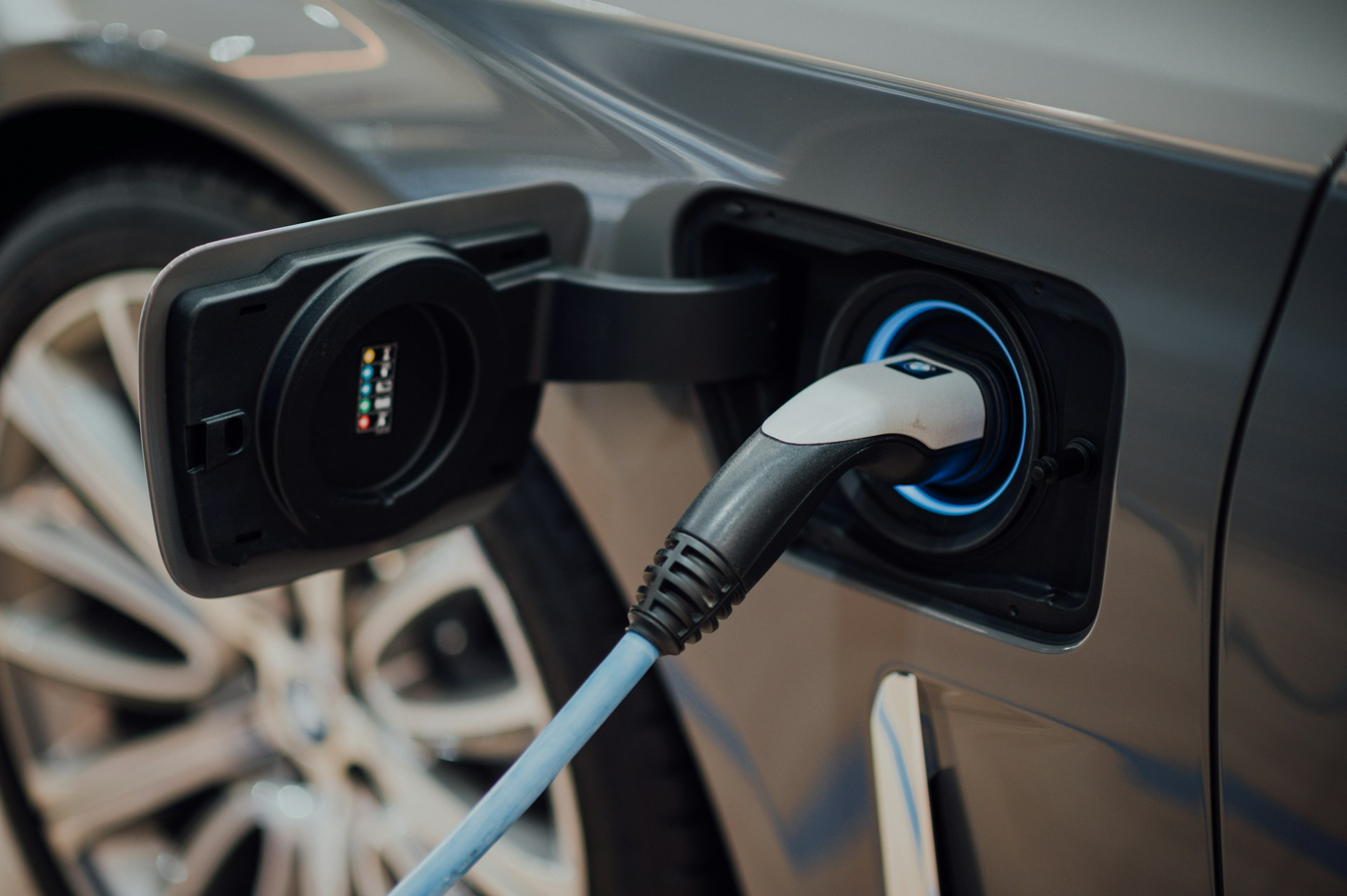
When paired with the SunESS Power Wallbox, the system coordinates storage and EV charging while supporting smart loads, heat pumps, generators, and existing PV systems. For C&I and charging-site deployment, the OASIS Ultra Charger is designed to work with the OASIS L261 AiO storage system, combining commercial energy storage with DC fast charging. The charger complies with relevant IEC 61851 requirements and is being prepared for ISO 15118-related certification.
European distributed energy is moving toward site-level systems rather than isolated assets. Storage is increasingly being specified alongside solar generation, EV charging, heat pumps, backup loads, energy tariffs, export constraints, grid services, and remote monitoring. Battery capacity remains central, but the control layer now determines how effectively a site can use stored energy across competing requirements.
Dynamic tariffs strengthen that trend. Where electricity prices vary sharply across the day, battery systems can support load shifting, charging optimisation, and self-consumption. Commercial sites can use the same hardware to reduce peak demand, provide backup resilience, support vehicle charging, and respond to flexibility signals. That broader value stack places greater emphasis on inverter capability, EMS performance, communications, and safety certification.
Similar convergence can be seen in charging and storage systems that package battery capacity with energy management for constrained sites. Sunwoda’s launch sits in the same market direction, where charging, storage, solar, and software are becoming increasingly difficult to separate in project design.
The company’s European partnerships with BayWa r.e., CEF, and IBC Solar are also part of the deployment picture. Storage growth depends on distribution channels, installer capability, technical support, and after-sales service. Battery systems with high cycle-life ratings and advanced control functions still require reliable commissioning, configuration, remote diagnostics, and warranty handling. Local market support is therefore part of the effective product offer.
Battery Passport capability and digital transparency will gain further relevance as European regulation tightens around traceability, sustainability, and lifecycle data. Storage buyers are already assessing capacity, efficiency, price, documentation, supply-chain compliance, recycling pathways, software support, and safety evidence together.
The upgraded SunESS H Series arrives as European storage deployment becomes more complex. Solar, batteries, EV charging, dynamic tariffs, heat electrification, and grid flexibility are now interdependent at site level. Products that simplify those interactions may gain traction, but long-term performance will depend on integration quality, software reliability, field support, and the ability to manage electrical loads as active system resources.

