IN Brief:
- Atlas Copco has introduced the FCS 220-240 mobile rapid charging station for temporary and industrial sites.
- The unit combines 232kWh of storage, up to 220kW DC charging, and 50kW auxiliary AC output.
- The launch responds to demand for temporary high-power charging where permanent grid capacity is limited.
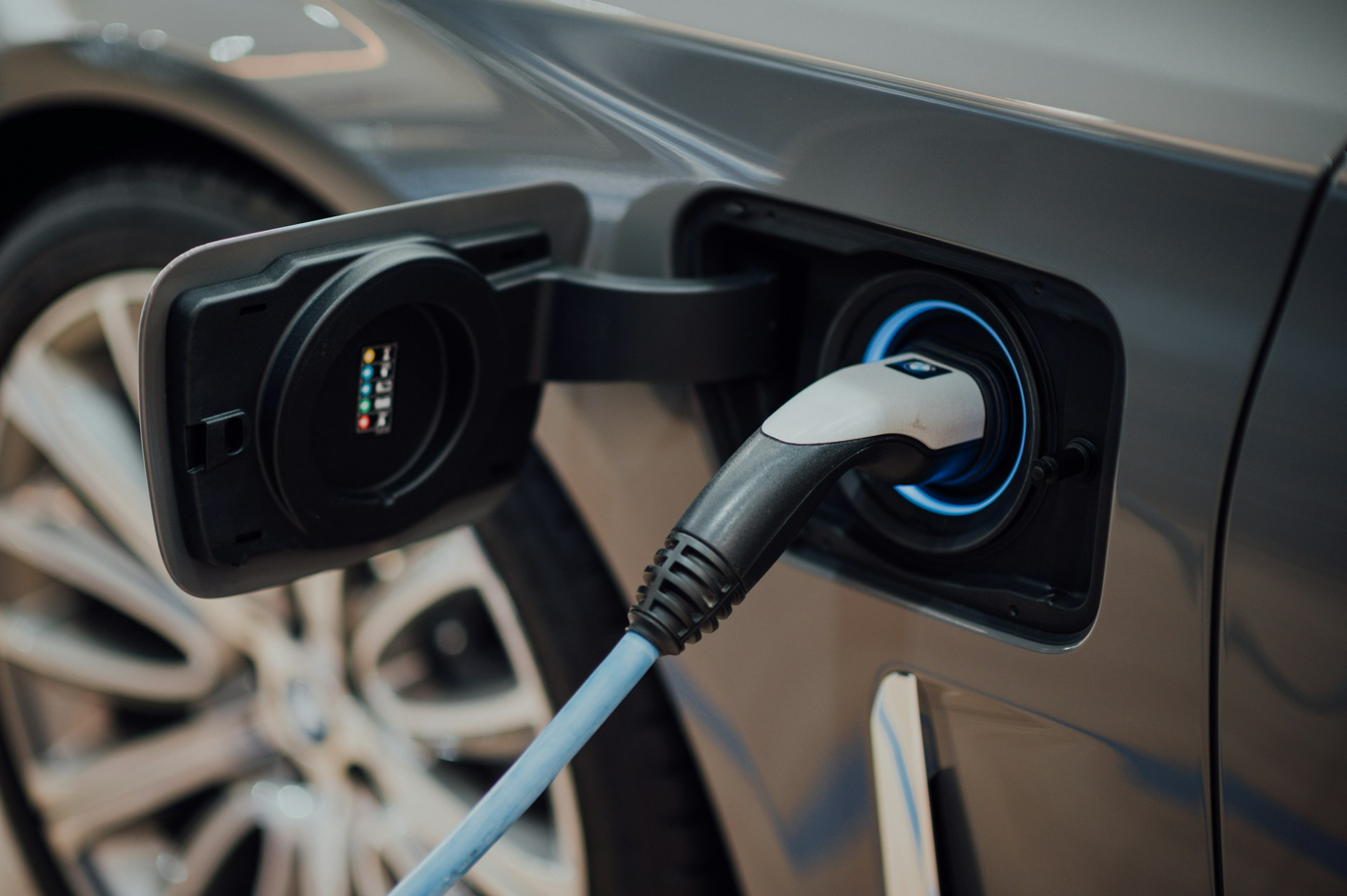
Atlas Copco has launched the FCS 220-240 mobile rapid charging station for construction, industrial, event, and temporary power applications.
The towable unit combines a 232kWh battery with up to 220kW DC charging and 50kW auxiliary AC output. It is designed to support electric machinery, site equipment, and temporary charging requirements where permanent high-power infrastructure is unavailable, delayed, or impractical.
The system is built for mobile deployment, with a towable format below 3.5 tonnes and an IP55-rated enclosure. Atlas Copco’s ECO Controller provides energy management and dynamic load management, balancing charging demand with auxiliary power requirements on site.
Temporary power is being reshaped by the electrification of plant and site equipment. Construction compounds, temporary industrial works, infrastructure projects, and events often need power before permanent connections are available, while electric machinery and site vehicles can require charging capacity that a conventional temporary supply was never designed to provide.
Mobile battery charging systems provide one route through that gap. A battery can be charged from the available grid supply, a generator, or another power source, then discharge at higher power when equipment needs to be charged quickly. That creates a buffer between limited supply capacity and short-duration high-power demand.
The approach can reduce generator run time in hybrid site power arrangements. A generator working with a battery can operate closer to efficient loading, shut down during low-demand periods, and avoid running continuously to cover occasional peaks. The same battery can also provide auxiliary AC output for site loads, making the power architecture more flexible than a standalone charger.
Site planning remains critical. A mobile rapid charging station must be recharged, transported, positioned, protected, earthed, and integrated into the site electrical design. Cable routes, segregation, fire safety, charging schedules, duty cycles, and emergency arrangements all need to be considered before deployment.
The market for mobile charging is expanding as contractors and fleet operators trial electric plant before permanent infrastructure is justified. Electric excavators, access platforms, compressors, compact machinery, and support vehicles can be introduced on projects where a fixed charging installation would be disproportionate or unavailable at the required stage of the work.
Public and fleet charging projects have shown how quickly charging infrastructure becomes a grid-capacity question. Urban charging hubs, heavy-duty vehicle charging sites, and regional EV infrastructure tenders all require careful coordination between charger output, network connection, storage, and site load management. Temporary charging faces the same electrical problem, but with additional constraints around mobility, weather exposure, project duration, and site logistics.
Battery-based temporary power also changes procurement decisions. Instead of sizing a diesel generator for the highest possible peak, site teams can think in terms of average load, peak events, recharge windows, and equipment utilisation. That requires better knowledge of site energy behaviour, but it can reduce fuel use, noise, emissions, and inefficient generator operation.
The FCS 220-240 is positioned at the point where temporary power, EV charging, and battery storage overlap. Its value will depend on whether it can simplify high-power charging logistics, support electric equipment utilisation, and reduce dependence on oversized generators without adding unnecessary complexity to site operations.