IN Brief:
- RES has opened a flagship Houston warehouse to support US solar and BESS operations and maintenance.
- The facility will consolidate tools, spare parts, PPE, consumables, and vendor-managed inventory.
- The investment reflects rising supply-chain pressure across utility-scale solar and storage operations.
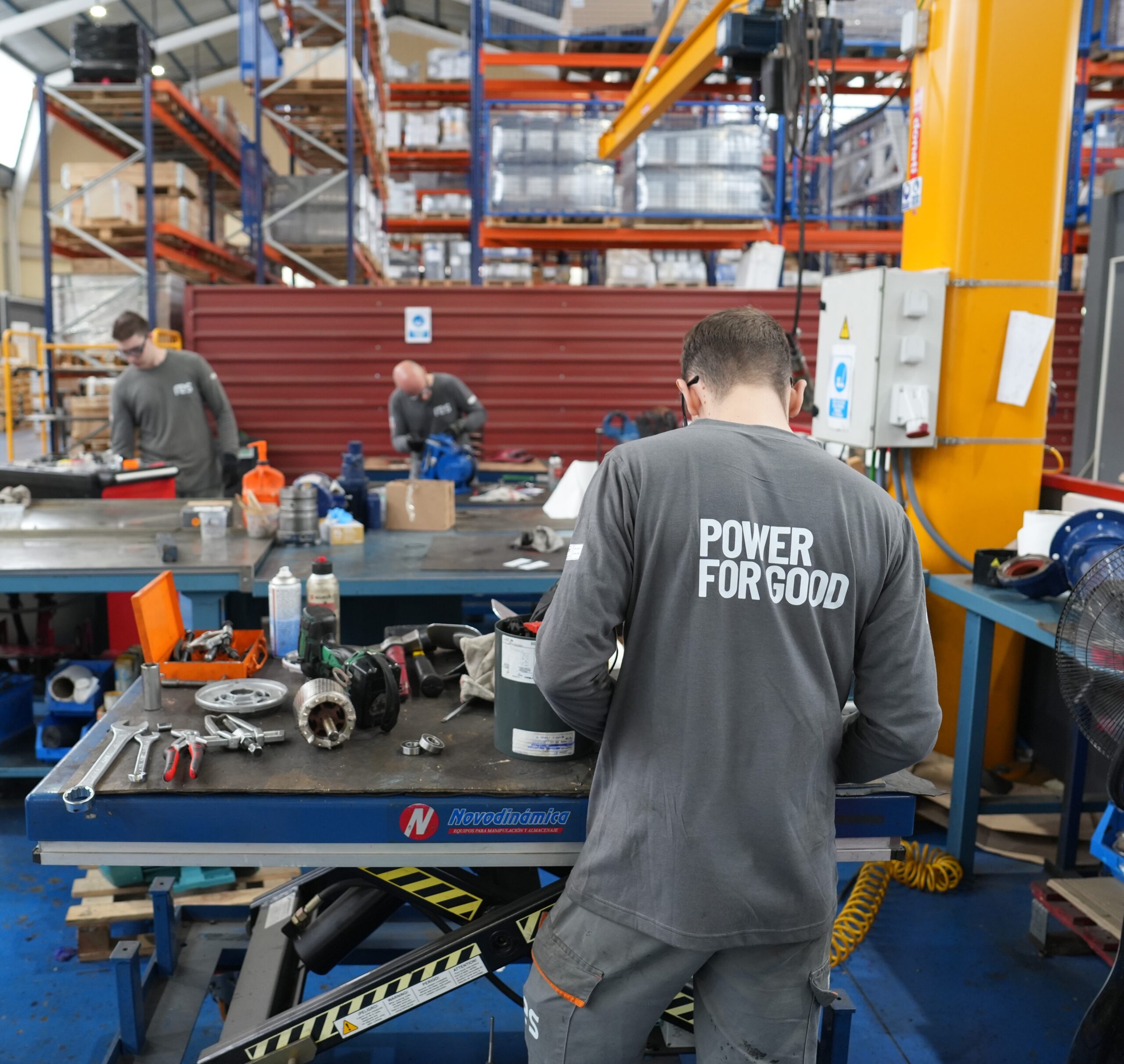
RES has opened a flagship warehouse facility in Houston, Texas, to support its growing US solar and battery energy storage operations and maintenance business.
The facility will serve as RES’ primary US inventory management hub, consolidating stock for solar and BESS O&M projects across the country. It will centralise tools, personal protective equipment, spare parts, and consumables, while also supporting the company’s vendor-managed inventory offer for customers.
US solar and battery storage deployment is expanding at record scale, while trade policy, import duties, and equipment lead times continue to affect project delivery and asset operation. Local parts availability is becoming a larger part of renewable asset performance, particularly where downtime can affect contracted output, availability payments, and merchant revenues.
RES has 27 years of US experience and around 1,300 employees across the country. Its North American portfolio includes solar, wind, and BESS assets, including a 1.5GWp operations and maintenance contract with Repsol covering major projects in Texas and New Mexico. The Houston facility will support those assets and provide a central logistics base for wider O&M activity.
The warehouse is initially focused on materials stocking and supply-chain operations. Later phases are planned to add technical training capabilities, followed by equipment repair and refurbishment services. That staged approach would move the site beyond storage and dispatch into a broader lifecycle support facility for renewable energy assets.
Operations and maintenance is becoming more strategic as renewable fleets age and asset owners seek higher availability. Solar and BESS projects depend on inverters, transformers, battery containers, cooling systems, monitoring equipment, combiner boxes, switchgear, cables, spares, and control platforms. A minor component shortage can extend downtime if replacement parts are not available when faults occur.
Battery storage adds further complexity. BESS assets are built around integrated systems with cells, modules, racks, containers, battery management systems, thermal controls, power conversion equipment, fire detection, transformers, and site-level controls. Spare-part planning has to account for vendor support, warranty terms, safety requirements, firmware compatibility, and product generations that can change quickly.
Solar O&M faces its own operational pressures. Large utility-scale sites require module replacement, inverter maintenance, vegetation management, tracker servicing, cable inspection, thermography, monitoring, and performance analytics. As portfolios scale, centralised inventory can reduce duplication and improve access to critical spares, provided demand forecasting is accurate.
RES’ broader renewable activity has included the sale of the 66MW Topaz wind project in Türkiye, reflecting the company’s role across development and asset portfolios. The Houston warehouse points to another part of the same market: the physical support infrastructure needed after projects reach operation.
Renewable headlines often focus on new capacity additions, but operational resilience increasingly depends on service networks, spare parts, training, field technicians, repair capability, and data-led maintenance. As solar and BESS fleets grow, the quality of O&M infrastructure will affect energy yield, safety, warranty compliance, and revenue capture.
Supply-chain resilience has moved higher up the operational agenda because renewable asset owners are exposed to global equipment markets. Solar modules, batteries, inverters, transformers, and electronic components are all affected by manufacturing geography, trade rules, tariffs, shipping capacity, and demand from other sectors. Warehousing cannot remove those risks, but it can reduce exposure to short-notice shortages and improve fault response.
Houston gives RES a practical base because Texas remains one of the largest US renewable energy markets. The state has substantial solar construction activity, a major wind fleet, fast-growing battery deployment, and extensive energy-sector logistics infrastructure. A local inventory hub can support assets in Texas while also serving wider US operations through established transport routes.
The opening reflects a more mature phase of renewable deployment. Building projects remains essential, but maintaining them at high availability is now a major industrial task. RES’ Houston facility adds physical O&M capacity to a market where growth increasingly depends on whether operating assets can be serviced, repaired, and optimised across their full lifecycle.